Eating well on a Texas budget: a grocery guide that respects your time
Healthy eating gets framed as an expensive hobby. It does not have to be. With a few store-level decisions, a freezer, and one pot, a Texas household can cover the basics for less than the drive-thru.
Start with the store you already have
You do not need a specialty grocer. H-E-B, Walmart, Fiesta, Aldi, La Michoacana, and neighborhood Asian and Latin markets all carry the same core foods at different prices. The biggest savings usually come from three habits: shopping a store's own brand, buying produce that is in season, and going in with a list.
Unit price is the number that matters, not the sticker. Most shelf tags print price per ounce or per pound in small type. That is how a family-size bag of rice beats a box of instant rice by a wide margin, and how frozen chicken breasts can undercut the fresh case.
The short version
- Fill half the plate with vegetables or fruit, a quarter with protein, and a quarter with a starch.
- Frozen and canned produce are nutritionally solid and usually cheaper. Rinse canned beans to cut sodium.
- Beans, eggs, chicken thighs, and plain yogurt are the cheapest reliable proteins in most Texas stores.
- If money is tight, SNAP, WIC, school meals, and 2-1-1 food referrals are there for a reason. Use them.
Build a plate without a diet
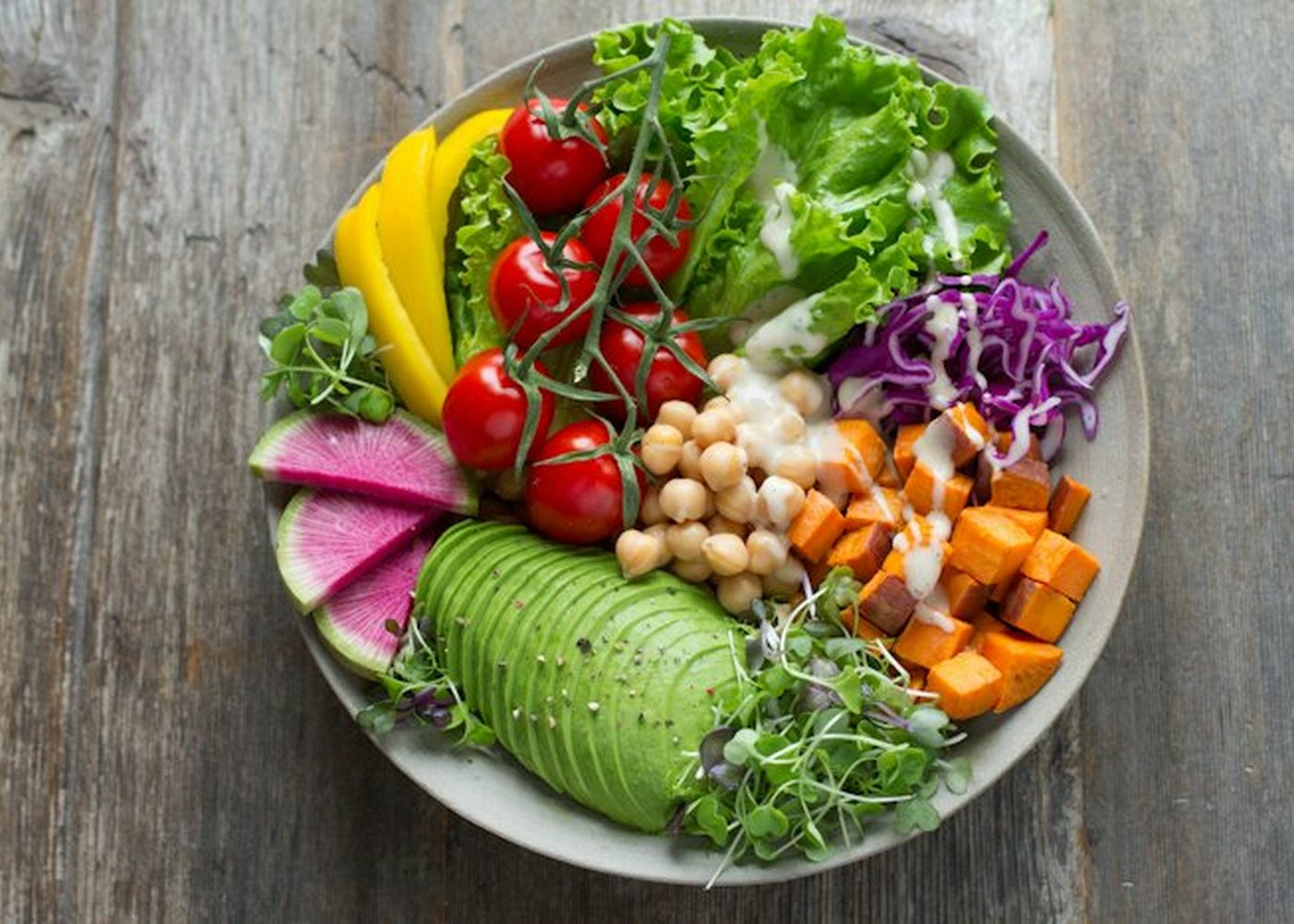
The USDA's MyPlate framework is deliberately boring, which is why it works. Picture a dinner plate:
- Half: vegetables and fruit. Fresh, frozen, or canned all count.
- A quarter: protein — beans, eggs, chicken, fish, yogurt, tofu.
- A quarter: starch — rice, tortillas, potatoes, pasta, bread.
Add a source of fat for flavor and satiety: olive or canola oil, avocado, nuts, cheese. This is not a rule you have to hit every meal. It is a default you can return to when you are tired and deciding what to cook.
The most effective nutrition plan is the one your budget, your kitchen, and your schedule can actually sustain.
The cheapest reliable proteins
Protein is usually the line item that pushes a grocery bill up. These options keep it down:
- Dried or canned beans and lentils. A pound of dried pinto beans costs a fraction of a pound of beef and makes several meals. Rinse canned beans for about 30 seconds to cut sodium by roughly 40 percent.
- Eggs. Still one of the lowest-cost complete proteins per gram.
- Chicken thighs and whole chickens. Dark meat is cheaper and harder to overcook.
- Plain yogurt and cottage cheese. Buy the large tub, not the single cups.
- Canned tuna or salmon. Keep a few cans for the nights when cooking is not happening.
Frozen produce deserves a mention too. It is picked at peak ripeness, so nutrient levels are comparable to fresh, and it does not turn into a science experiment in the crisper drawer.
Get the $80 Texas Grocery List
One page. Print it, tape it to the fridge, and hand it to whoever needs it.
- A full week of meals for four, aisle by aisle
- Store-brand swaps that taste the same and cost less
- Three one-pot dinners under $3 a serving
Buy with the Texas calendar
Texas produce is cheapest and best when it is actually in season. A rough guide:
- Winter: citrus from the Rio Grande Valley, greens, cabbage, carrots, broccoli
- Spring: strawberries, onions, peas, spinach, new potatoes
- Summer: tomatoes, peaches, watermelon, corn, okra, peppers, zucchini
- Fall: sweet potatoes, pecans, pumpkins, apples, greens
Farmers markets are lovely but not always cheaper. The reliable budget move is to buy the in-season item in quantity, then freeze or pickle what you cannot finish.
Cook once, eat three times
In a Texas summer, standing over a stove is its own kind of endurance event. Build a weekly base instead: one pot of beans, one pot of rice, a tray of roasted vegetables, and a protein. Then assemble rather than cook.
A Sunday pot of pinto beans becomes Monday's bowl with rice and salsa, Tuesday's quesadilla filling, and Wednesday's soup with whatever vegetables are left. A sheet pan of chicken thighs covers two dinners and one lunch.
Keep the freezer working
Freeze cooked beans, rice, and portioned meat flat in bags. They thaw in minutes, which is the difference between a home-cooked meal and a delivery order on a Tuesday night.
If the math still does not work
Food assistance is not a last resort, and using it does not take anything away from someone else.
- SNAP (Supplemental Nutrition Assistance Program) is administered by Texas Health and Human Services. Apply online at YourTexasBenefits.com or call 2-1-1.
- WIC supports pregnant and postpartum women, infants, and children under 5. The Texas WIC line is 1-800-942-3678.
- Food banks. Feeding Texas coordinates a statewide network of regional food banks with pantry locators.
- School meals. Most Texas districts participate in free and reduced-price breakfast and lunch.
If you are not sure what you qualify for, call 2-1-1 and ask. The navigators are used to the question.
Educational, not medical advice
This guide is for general information. It does not replace an assessment from a clinician who knows your history. If something feels urgent, call your provider or 911.